
Hi! I'm CodyBot. I can't answer your questions yet, but I can pass them on to my owner! 🐾
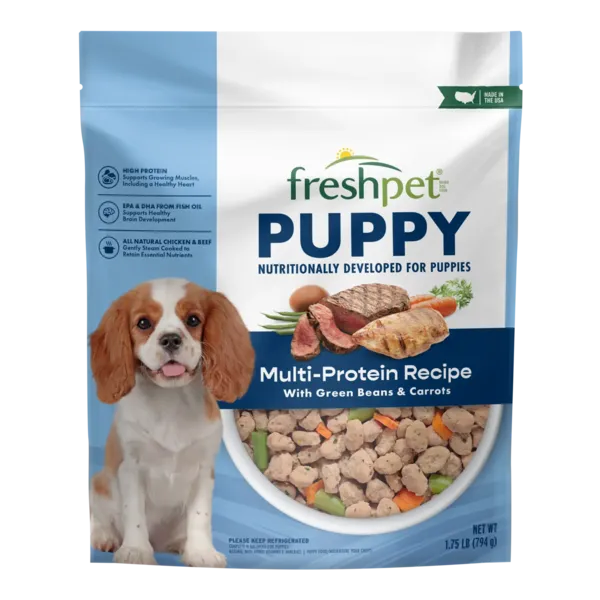
FreshpetMulti-Protein Puppy Recipe With Green Beans & Carrots
Allergy Risk
This food contains possible allergens for sensitive pets.
Notable Benefits
Ingredients
Numbered in order of predominance by weight, heaviest first. Click any ingredient for details.
Multi-Protein Puppy Recipe With Green Beans & Carrots ingredients, explained
The recipe is built on carrot, listed sixth on the label. Common dog food allergens on the label: chicken, egg and beef. Omega-3 comes from fish oil, the form dogs use directly.
What this food is made of
The most common protein in pet food, and for dogs one of the most common food allergens, with beef and dairy. If chicken is what your pet reacts to, it hides everywhere: chicken fat, chicken broth, chicken meal, natural flavor. On a label, chicken listed first is weighed with its water still in, so a food leading with fresh chicken often has less chicken protein than one leading with chicken meal. Neither is better; they are different measures.
A complete, highly digestible protein, which is why formulators like it. It is also a documented allergen in about 4% of dogs with food reactions. Egg allergy does not implicate chicken meat; the proteins are different. Dried egg product is the same thing with the water removed. A good ingredient for most pets and a fine-print one for the allergic few.
A red-meat protein, higher in fat and iron than poultry. Fresh or deboned beef is mostly water and ranks higher on the label than its dry contribution; beef meal is the concentrated form. Beef is among the most common food allergens reported in both dogs and cats, probably because it has been fed so widely for so long. Beef by-products such as liver and heart are listed separately.
Organ meat from the named animal, or unnamed when the label just says liver. Liver is one of the most nutrient-dense foods there is, rich in vitamin A, copper, iron and the B group, and most pets love the taste, which is why it is used both as an ingredient and as a flavor coating. For allergies, the species is what matters, and beef liver is beef. Unnamed liver can come from any species and may vary by batch.
A vegetable that contributes a little fiber and beta-carotene and a lot of label appeal. In dry food it is usually present in small amounts well down the list. It is not an allergen of concern and not a meaningful protein or calorie source. Fine to see; not a reason to choose one food over another.
A staple of grain-free recipes, supplying starch, fiber and plant protein. Peas were common in the diets examined in a federal investigation into heart disease in dogs; the investigation did not establish a cause and no ingredient was banned. Pea protein high on a list can inflate the protein number with a plant source. Pea allergy is rare. Not a problem, but worth noticing when it appears in several forms in one recipe.
A grain used as an easily digested carbohydrate. White rice has had the bran removed; it digests fast and is the classic bland-diet starch. Brewers rice is the small broken fragments left after milling, nutritionally the same as white rice despite its reputation as a cheap filler. Rice bran is the outer layer, mostly fiber and oil. Grain allergy is rare in pets; rice is one of the least reactive grains.
Oil pressed from whole fish, usually menhaden, herring or sardine, added as the source of the omega-3 fats EPA and DHA. Those fats support skin, coat, joints and brain development, and a food that names fish oil is delivering them in the form pets use directly. It goes rancid quickly, so look for a preservative named alongside it, usually mixed tocopherols. The species is rarely stated, which matters only if your pet reacts to fish.
A leafy green added in small amounts for vitamins, minerals and color. Spinach is high in oxalate, which binds calcium and in large quantities is a concern for pets prone to calcium oxalate bladder stones. The amounts in a complete food are tiny, often a fraction of a percent, so for most pets it is a token vegetable with no nutritional or safety weight.
Almost always rosemary extract, used as a natural antioxidant to keep fats fresh, usually alongside mixed tocopherols. The amounts are tiny. A persistent internet claim links rosemary to seizures in dogs; there is no published evidence for it at food levels. If your dog has epilepsy, ask your neurologist rather than avoiding foods on this basis alone.
A vegetable added in small amounts for fiber and a little flavor, and in fresh or raw recipes for its water content. It is safe for dogs and cats and appears well down the list, often alongside other vegetables in a blend. It brings almost no calories and only trace nutrients at these levels, so it changes nothing about the food either way.
Vitamins, minerals and additives (4)
The nutrient pack nearly every complete food carries. Expand to read what each one does.
Sodium and chloride, both essential, plus a palatability boost. Pets need less than people, and the minimum is set in the nutrient profiles the food is formulated to. Salt high on the list of a treat is a flavor choice; salt near the end of a complete food is nutrition. Ask your vet before choosing a low-sodium food for heart or kidney disease rather than reading labels alone.
A calcium and phosphorus source that also keeps dry food from clumping. Both minerals are essential and their ratio matters for bone health. Routine and safe. For cats with kidney disease, phosphorus level is the number to watch, and the source is less important than the total.
A potassium source and an electrolyte. Potassium keeps muscles and nerves working, including the heart, and cats lose more of it than dogs do. It also stands in for part of the salt in foods that are formulated lower in sodium. A routine additive with no allergy or safety concern at food levels.
A B-vitamin relative added to nearly every complete food because animals need more than the base ingredients supply. It supports liver function and cell membranes. Seeing it on a label is normal and reassuring rather than a concern.
About this food
Nutritionally developed for puppies, this high protein recipe with chicken and beef supports growing muscles and a healthy heart. EPA and DHA from fish oil helps support smart, more trainable puppies.
From the manufacturer. May contain marketing language.
Pricing & Formats
Available Sizes
Not specified
Where to buy
Reader-supported: we may earn a commission when you buy through these links. How we make money
Guaranteed Analysis
Each bar shows the typical range for dog foods in our database. The marker shows where this product falls.
*Not recognized as an essential nutrient by the AAFCO Dog Food Nutrient Profiles.
Similar foods you may like
Based on shared ingredients, features, and customer preferences
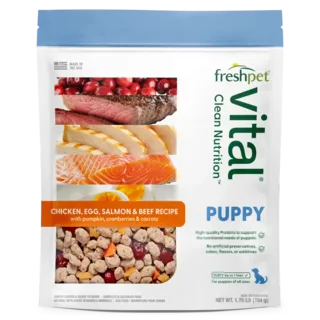
Vital Chicken, Egg, Salmon & Beef Puppy Recipe With Pumpkin, Cranberries & Carrots
Medium risk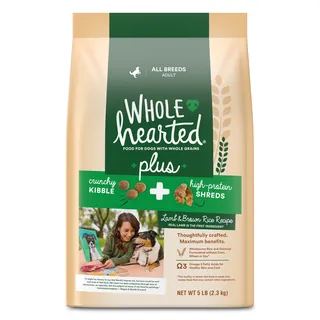
Plus Lamb & Brown Rice Recipe with Whole Grains Dry Dog Food
High risk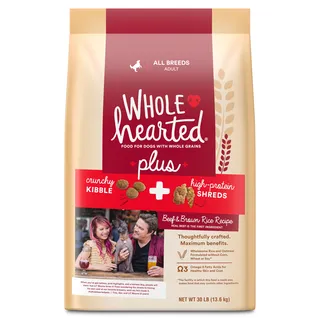
Plus Beef & Brown Rice Recipe with Whole Grains Plus Dry Dog Food
High risk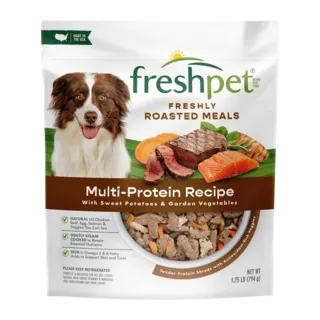
Multi-Protein Chicken, Beef and Salmon Dog Food Bag
Medium risk
Complete Nutrition Chicken Recipe with Wholesome Grains & Carrots
Medium riskReview Sources
Our aggregate score is calculated from reviews across multiple retailers
No ratings available