
Hi! I'm CodyBot. I can't answer your questions yet, but I can pass them on to my owner! 🐾
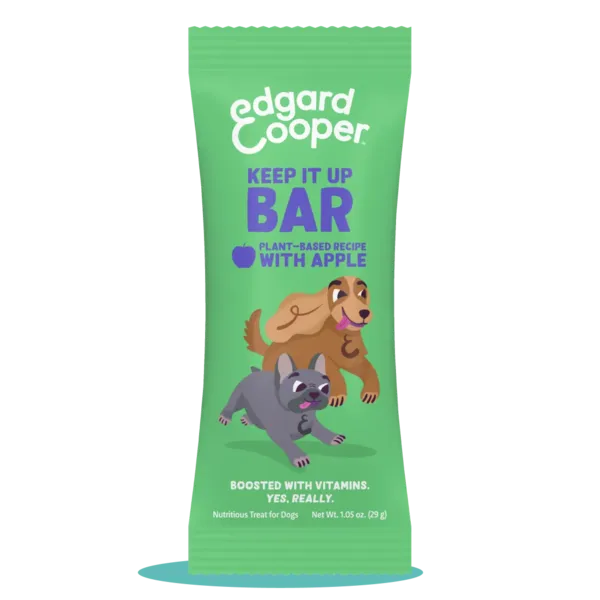
Edgard CooperApple Treat Bar for Dogs
Allergy Risk
It's relatively unlikely but possible for allergic reactions to this food's primary ingredients.
Notable Benefits
Ingredients
Numbered in order of predominance by weight, heaviest first. Click any ingredient for details.
Apple Treat Bar for Dogs ingredients, explained
The recipe is built on apple, listed fifth on the label. None of the common dog food allergens appear on the label.
What this food is made of
The familiar white potato, used as a carbohydrate source in many grain-free foods. Potato starch binds kibble; potato protein is a concentrated plant protein that lifts the protein figure on the bag. Cooked potato is safe and well digested. Grain-free foods built on potatoes and legumes were part of the FDA's 2018 to 2022 look at diet-associated heart disease in dogs, which did not establish a cause; the agency has not asked for any to be withdrawn.
A staple of grain-free recipes, supplying starch, fiber and plant protein. Peas were common in the diets examined in a federal investigation into heart disease in dogs; the investigation did not establish a cause and no ingredient was banned. Pea protein high on a list can inflate the protein number with a plant source. Pea allergy is rare. Not a problem, but worth noticing when it appears in several forms in one recipe.
A fruit added for fiber, a little natural sweetness and antioxidants. Apple flesh is safe for dogs and cats. The seeds contain a trace of a cyanide-forming compound, which matters for a dog eating whole apples and is far below any concern at the amounts of pomace or dried apple in a food. Apple pomace is what remains after juicing and is mostly fiber. In either form it appears in small amounts and does not change the nutrition of the food in a meaningful way.
A fruit added in small amounts for antioxidants and a bit of fiber. Blueberries are safe for dogs and cats, and the pigments that color them are the same ones linked to antioxidant activity in people. In a complete food they appear well down the list in small amounts, so they are a modest extra and should not decide which bag you buy.
Vitamins, minerals and additives (8)
The nutrient pack nearly every complete food carries. Expand to read what each one does.
A natural acid, the same one found in citrus, used alongside mixed tocopherols to slow fat from going rancid. It works by binding the trace metals that speed up oxidation. The amounts are tiny and it is one of the most benign preservatives available. A persistent claim links citric acid to bloat in dogs; it rests on one observational study with no mechanism behind it, and most veterinary nutritionists do not consider it supported.
A B-vitamin relative added to nearly every complete food because animals need more than the base ingredients supply. It supports liver function and cell membranes. Seeing it on a label is normal and reassuring rather than a concern.
A fat-soluble antioxidant that protects cells and the fats in the food itself. It is in nearly every complete food, both as a nutrient and, under the name mixed tocopherols, as the natural preservative that keeps fat from going rancid. Deficiency is rare in pets eating a complete diet. Nothing to worry about on a label, and a sign the maker is preserving with vitamin E rather than synthetic chemicals.
Vitamin B5 in its stable added form (the d- prefix just names the active version). It is needed to turn fats and carbohydrates into energy. Widely available in meats and grains, topped up to guarantee the level. Safe, expected, and irrelevant to allergies.
Vitamin B1, essential for nerves and energy metabolism, and the vitamin most often behind cat food recalls. It is destroyed by heat and by some preservatives, so canned foods in particular must add it back. Cats are especially sensitive to running short. Its presence is expected; its absence from a cooked food would be a red flag.
Needed for nerve function and making red blood cells. It occurs naturally only in animal tissue, so it is added to almost every food to guarantee the level. Water-soluble, so excess passes out in urine. Cats and dogs with chronic gut disease can run low even on a good diet, which is a vet conversation rather than a food choice.
Vitamin B6 in its stable, added form. It is central to protein metabolism, and cats need proportionally more of it than dogs because their diet runs so high in protein. Water-soluble and safe at food levels. A normal line on any complete food.
Vitamin B9, needed for cell division and healthy blood. Standard fortification in complete foods for dogs and cats. Water-soluble, no toxicity concern at food levels. Its main relevance to a shopper is none: it is there because the recipe was balanced properly.
About this food
Plant-based dog snack made with apple. These grain-free dog treats are packed with vitamins, natural fruits and veggies for a healthy treat dogs love.
From the manufacturer. May contain marketing language.
Pricing & Formats
Available Sizes
Not specified
Where to buy
Reader-supported: we may earn a commission when you buy through these links. How we make money
Guaranteed Analysis
Each bar shows the typical range for dog foods in our database. The marker shows where this product falls.
*Not recognized as an essential nutrient by the AAFCO Dog Food Nutrient Profiles.
Similar foods you may like
Based on shared ingredients, features, and customer preferences

Chicken Treat Bar for Dogs
Medium riskPower Bites Real Beef Dog Treats
Medium riskPower Bites Turducken Dog Treats
Medium risk3 lb. Small Bites Salmon - Gentle Giants 'Quality of Life' Feast for S
Medium riskLil' Plates Bitty Beef Dog Treats
Medium riskReview Sources
Our aggregate score is calculated from reviews across multiple retailers
No ratings available