 Made in USA

Hi! I'm CodyBot. I can't answer your questions yet, but I can pass them on to my owner! 🐾
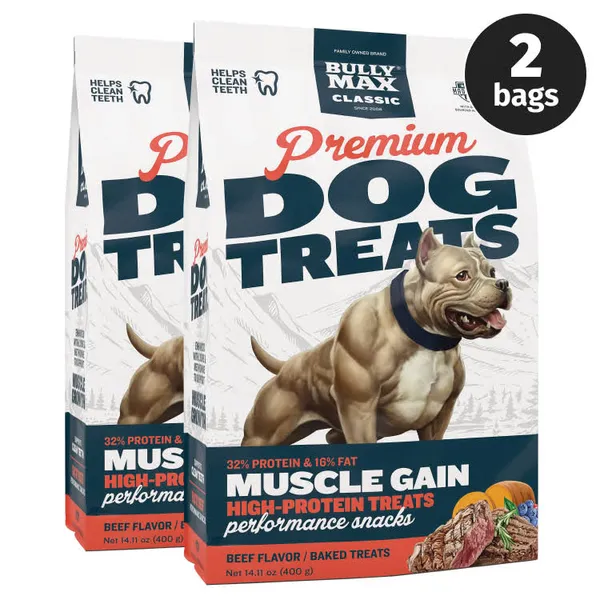
Bully MaxClassic Premium High-Protein Beef Dog Treats
Allergy Risk
This food contains possible allergens for sensitive pets.
Notable Benefits
Ingredients
Numbered in order of predominance by weight, heaviest first. Click any ingredient for details.
Classic Premium High-Protein Beef Dog Treats ingredients, explained
The recipe is built on beef, the first ingredient on the label. Common dog food allergens on the label: beef and egg.
What this food is made of
Organ meat from the named animal, or unnamed when the label just says liver. Liver is one of the most nutrient-dense foods there is, rich in vitamin A, copper, iron and the B group, and most pets love the taste, which is why it is used both as an ingredient and as a flavor coating. For allergies, the species is what matters, and beef liver is beef. Unnamed liver can come from any species and may vary by batch.
A staple of grain-free recipes, supplying starch, fiber and plant protein. Peas were common in the diets examined in a federal investigation into heart disease in dogs; the investigation did not establish a cause and no ingredient was banned. Pea protein high on a list can inflate the protein number with a plant source. Pea allergy is rare. Not a problem, but worth noticing when it appears in several forms in one recipe.
A whole grain used as a carbohydrate and fiber source. Oats are well digested, higher in protein than rice, and contain beta-glucan, a soluble fiber linked to steadier blood sugar. They are a common choice in sensitive-stomach and weight-control foods. Oat fiber is the hull, which is mostly insoluble fiber; oat flour and oatmeal are the whole grain milled. Grain allergy is rare in pets.
The dried cells of yeast, often a by-product of brewing. It is rich in B vitamins, protein and minerals, improves flavor, and contains compounds that may support gut bacteria. Despite a persistent myth, there is no evidence it repels fleas. Yeast is an uncommon allergen in pets. Yeast culture is a slightly different product, a fermented feed that supplies similar nutrients.
A complete, highly digestible protein, which is why formulators like it. It is also a documented allergen in about 4% of dogs with food reactions. Egg allergy does not implicate chicken meat; the proteins are different. Dried egg product is the same thing with the water removed. A good ingredient for most pets and a fine-print one for the allergic few.
A root vegetable used as a carbohydrate source, especially in grain-free foods. It supplies energy, fiber and beta carotene and is well digested by dogs. There is no good evidence it beats rice or oats nutritionally, though it is a reasonable choice for pets that do poorly on grains. Like any starch, a food that lists it high is a starch-heavy food.
A vegetable that contributes a little fiber and beta-carotene and a lot of label appeal. In dry food it is usually present in small amounts well down the list. It is not an allergen of concern and not a meaningful protein or calorie source. Fine to see; not a reason to choose one food over another.
A vegetable used mainly as a source of soluble fiber for stool quality, and for label appeal. Amounts in a complete food are small. Not an allergen of concern and not a meaningful protein or calorie source.
A small fruit added mostly for its association with urinary health. Cranberry compounds can make it harder for some bacteria to cling to the bladder wall in laboratory studies, but there is no good evidence that the amount in a pet food prevents or treats urinary infections. At label levels, a small amount well down the list, treat it as a minor fruit that adds a little fiber and antioxidants.
A fruit added in small amounts for antioxidants and a bit of fiber. Blueberries are safe for dogs and cats, and the pigments that color them are the same ones linked to antioxidant activity in people. In a complete food they appear well down the list in small amounts, so they are a modest extra and should not decide which bag you buy.
Almost always rosemary extract, used as a natural antioxidant to keep fats fresh, usually alongside mixed tocopherols. The amounts are tiny. A persistent internet claim links rosemary to seizures in dogs; there is no published evidence for it at food levels. If your dog has epilepsy, ask your neurologist rather than avoiding foods on this basis alone.
Vitamins, minerals and additives (6)
The nutrient pack nearly every complete food carries. Expand to read what each one does.
The fiber left after sugar is extracted from sugar beets. Nearly all the sugar is gone; what remains is a mix of fibers that bacteria in the gut can ferment, producing fatty acids that feed the cells lining the colon. It helps firm stools and is one of the better-studied fibers in dog food. Its reputation as a filler is undeserved, though it does add little else beyond fiber.
An essential amino acid, added when the proteins in a food fall short of the required level. Meat is rich in lysine, so it is usually added when a recipe leans on plant protein, which is lower, or to replace lysine lost in cooking. In cats, lysine supplements were long given for herpesvirus flare-ups, but controlled studies found no benefit and some suggestion of harm at high doses; the small amounts in a complete food are there for nutrition and sit far below those doses.
An essential amino acid, added to top up protein quality and, in cat food especially, to acidify urine and discourage the struvite crystals behind some urinary problems. Routine and safe in a complete food. If your cat has a history of the other crystal type (oxalate), urine acidifiers are a vet conversation.
An amino acid cats cannot make in sufficient quantity and must eat, or they develop heart disease and blindness. It is in every complete cat food by law of nutrition, not by choice. Dogs make their own, but it is added to many dog foods as a precaution after a federal investigation into diet-associated heart disease in dogs. Its presence on a dog food label is a good sign, not a warning.
A heat-stable form of vitamin C. Dogs and cats make their own vitamin C, so it is not an essential nutrient for them. It is added as an antioxidant and, some argue, to support joints and immunity. Harmless at food levels and not a reason to choose or avoid a food.
A fat-soluble antioxidant that protects cells and the fats in the food itself. It is in nearly every complete food, both as a nutrient and, under the name mixed tocopherols, as the natural preservative that keeps fat from going rancid. Deficiency is rare in pets eating a complete diet. Nothing to worry about on a label, and a sign the maker is preserving with vitamin E rather than synthetic chemicals.
About this food
High protein from real beef keeps your dog healthy and satisfied. With l-lysine and methionine to support muscle growth. Crunchy texture supports dental hygiene. Delicious beef liver is the #1 ingredient. Overview Is there anything dogs love more than real meat? If there is, we haven’t found it yet! That’s what makes t
From the manufacturer. May contain marketing language.
Pricing & Formats
Available Sizes
Not specified
Where to buy
Reader-supported: we may earn a commission when you buy through these links. How we make money
Guaranteed Analysis
Each bar shows the typical range for dog foods in our database. The marker shows where this product falls.
*Not recognized as an essential nutrient by the AAFCO Dog Food Nutrient Profiles.
Similar foods you may like
Based on shared ingredients, features, and customer preferences

SuperBlends Beef & Lamb Dry Dog Food: Raw Blend Oven Baked Kibble with Superfoods, Antioxidants & Probiotics - Made in USA
Medium risk
Wild Red Grain Free Dog Food: Whole Prey Red Meat Recipe, Raw Coated Kibble - Protein Rich, Legume Free Dry Dog Food
Medium riskLil' Plates Small Breed Freeze Dried Beef Dog Food
Medium riskWild Red Dry Dog Food: Whole Prey Red Meat Recipe, Raw Coated/Raw Blend Kibble - Whole Prey Protein Rich Poultry Free Dog Food with Grain
Medium riskWild Red Dry Dog Food: Whole Prey Red Meat Recipe, Raw Coated Kibble - Protein Rich Poultry Free Dog Food with Grain
Medium riskReview Sources
Our aggregate score is calculated from reviews across multiple retailers
No ratings available