 Made in USA

Hi! I'm CodyBot. I can't answer your questions yet, but I can pass them on to my owner! 🐾
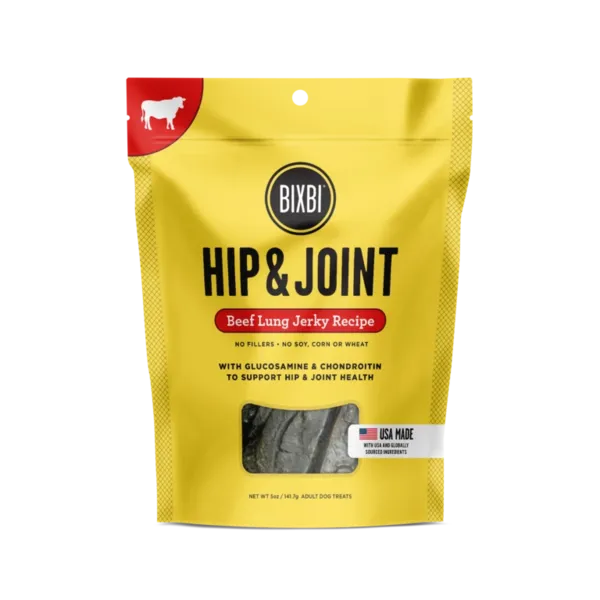
BixbiHip & Joint Jerky Treats for Dogs
Allergy Risk
This food contains possible allergens for sensitive pets.
Notable Benefits
Ingredients
Numbered in order of predominance by weight, heaviest first. Click any ingredient for details.
Hip & Joint Jerky Treats for Dogs ingredients, explained
The recipe is built on beef: beef lung, beef and beef liver are three of the first five ingredients. Common dog food allergens on the label: beef.
What this food is made of
A root vegetable used as a carbohydrate source, especially in grain-free foods. It supplies energy, fiber and beta carotene and is well digested by dogs. There is no good evidence it beats rice or oats nutritionally, though it is a reasonable choice for pets that do poorly on grains. Like any starch, a food that lists it high is a starch-heavy food.
A red-meat protein, higher in fat and iron than poultry. Fresh or deboned beef is mostly water and ranks higher on the label than its dry contribution; beef meal is the concentrated form. Beef is among the most common food allergens reported in both dogs and cats, probably because it has been fed so widely for so long. Beef by-products such as liver and heart are listed separately.
Organ meat from the named animal, or unnamed when the label just says liver. Liver is one of the most nutrient-dense foods there is, rich in vitamin A, copper, iron and the B group, and most pets love the taste, which is why it is used both as an ingredient and as a flavor coating. For allergies, the species is what matters, and beef liver is beef. Unnamed liver can come from any species and may vary by batch.
Almost always rosemary extract, used as a natural antioxidant to keep fats fresh, usually alongside mixed tocopherols. The amounts are tiny. A persistent internet claim links rosemary to seizures in dogs; there is no published evidence for it at food levels. If your dog has epilepsy, ask your neurologist rather than avoiding foods on this basis alone.
Vitamins, minerals and additives (5)
The nutrient pack nearly every complete food carries. Expand to read what each one does.
A building block of cartilage, usually from shellfish shells, added to joint-support and senior foods. The evidence in dogs is mixed: some trials show modest improvement in arthritis signs, others none, and the dose in a food is typically well below the dose used in those trials. No safety issue at food doses. If joint support is the goal, the amount per cup, stated on the bag, is the number to compare; the ingredient's presence alone says little.
A cartilage component, usually from cattle or chicken cartilage, almost always paired with glucosamine in joint-support foods. The same caveats apply: the evidence in dogs is modest, the dose in a complete food is usually below that used in supplement trials, and the amount on the bag is what to compare. Because it usually comes from chicken or beef cartilage, strict allergy diets may need to check the source.
Sodium and chloride, both essential, plus a palatability boost. Pets need less than people, and the minimum is set in the nutrient profiles the food is formulated to. Salt high on the list of a treat is a flavor choice; salt near the end of a complete food is nutrition. Ask your vet before choosing a low-sodium food for heart or kidney disease rather than reading labels alone.
A natural acid, the same one found in citrus, used alongside mixed tocopherols to slow fat from going rancid. It works by binding the trace metals that speed up oxidation. The amounts are tiny and it is one of the most benign preservatives available. A persistent claim links citric acid to bloat in dogs; it rests on one observational study with no mechanism behind it, and most veterinary nutritionists do not consider it supported.
A fat-soluble antioxidant that protects cells and the fats in the food itself. It is in nearly every complete food, both as a nutrient and, under the name mixed tocopherols, as the natural preservative that keeps fat from going rancid. Deficiency is rare in pets eating a complete diet. Nothing to worry about on a label, and a sign the maker is preserving with vitamin E rather than synthetic chemicals.
About this food
Shop BixbiPet.com today for Hip & Joint Jerky Treats for Dogs (Beef Liver Recipe). If morning yoga is your thing, this is the Jerky Treat that’ll make it their thing too. Bixbi Hip & Joint Jerky recipe starts with a drool-worthy protein—free-range chicken, grass-fed beef or wild-caught salmon—and adds in USA-sourced glucosamine and chondroitin to support healthy hip and joint function. It’s the kind of treat that keeps a wag in their tail and a pep in their step.
From the manufacturer. May contain marketing language.
Pricing & Formats
Available Sizes
Not specified
Where to buy
Reader-supported: we may earn a commission when you buy through these links. How we make money
Guaranteed Analysis
Each bar shows the typical range for dog foods in our database. The marker shows where this product falls.
*Not recognized as an essential nutrient by the AAFCO Dog Food Nutrient Profiles.
Similar foods you may like
Based on shared ingredients, features, and customer preferences

Liberty® Hip & Joint Jerky Treats for Dogs
Medium risk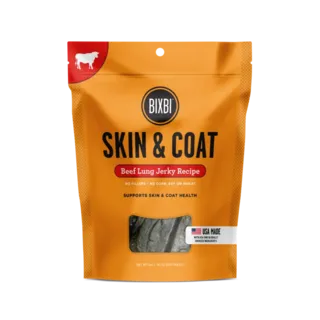
Skin & Coat Jerky Treats for Dogs
Medium risk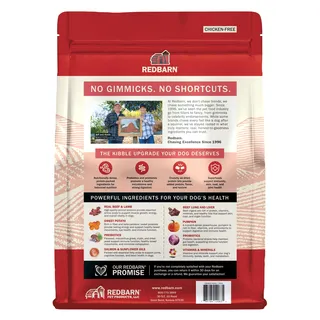
Powerfood Fusion Grain-Free Land Mix Recipe
Medium risk
SuperBlends Beef & Lamb Dry Dog Food: Raw Blend Oven Baked Kibble with Superfoods, Antioxidants & Probiotics - Made in USA
Medium risk
Butcher's Favorites™, Farm-Raised Beef & Liver Recipe
Medium riskReview Sources
Our aggregate score is calculated from reviews across multiple retailers
No ratings available