
Hi! I'm CodyBot. I can't answer your questions yet, but I can pass them on to my owner! 🐾
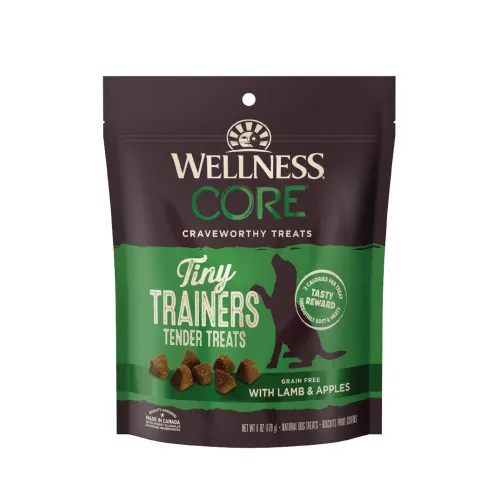
WellnessCORE Tiny Trainers Lamb & Apple
Allergy Risk
This food contains possible allergens for sensitive pets.
Notable Benefits
Ingredients
Numbered in order of predominance by weight, heaviest first. Click any ingredient for details.
CORE Tiny Trainers Lamb & Apple ingredients, explained
Common dog food allergens on the label: lamb. The only omega-3 source is flaxseed, which dogs convert to the useful forms inefficiently.
What this food is made of
A red-meat protein, fattier than chicken and with a strong flavor many dogs prefer. Fresh lamb is weighed wet, so it sits higher on the list than the meal form would. Lamb was once the standard novel protein for allergy diets, and with wider use it now shows up as a reported allergen too, though still less often than beef or chicken.
The familiar white potato, used as a carbohydrate source in many grain-free foods. Potato starch binds kibble; potato protein is a concentrated plant protein that lifts the protein figure on the bag. Cooked potato is safe and well digested. Grain-free foods built on potatoes and legumes were part of the FDA's 2018 to 2022 look at diet-associated heart disease in dogs, which did not establish a cause; the agency has not asked for any to be withdrawn.
Starch from the cassava root, used to bind kibble and as a carbohydrate source, especially in grain-free foods. It is nearly pure starch with little protein, fiber or micronutrients, and it is one of the least likely ingredients to trigger an allergy. A food that leans on tapioca for carbohydrate is getting easy digestibility and little else from it, which is fine as long as the rest of the recipe carries the nutrition.
Rendered fat, a concentrated energy source and the main supply of linoleic acid, an essential fatty acid for skin and coat. Rendered fat carries very little protein, so many chicken-allergic pets tolerate it, but not all do, and a strict elimination diet avoids it. Usually preserved with mixed tocopherols. Not a quality concern; a good fat source.
A staple of grain-free recipes, supplying starch, fiber and plant protein. Peas were common in the diets examined in a federal investigation into heart disease in dogs; the investigation did not establish a cause and no ingredient was banned. Pea protein high on a list can inflate the protein number with a plant source. Pea allergy is rare. Not a problem, but worth noticing when it appears in several forms in one recipe.
A fruit added for fiber, a little natural sweetness and antioxidants. Apple flesh is safe for dogs and cats. The seeds contain a trace of a cyanide-forming compound, which matters for a dog eating whole apples and is far below any concern at the amounts of pomace or dried apple in a food. Apple pomace is what remains after juicing and is mostly fiber. In either form it appears in small amounts and does not change the nutrition of the food in a meaningful way.
A plant source of omega-3 fat (alpha-linolenic acid) and fiber, used in about a third of dog foods for coat and stool quality. Dogs and cats convert plant omega-3 to the useful forms inefficiently, so fish oil does the job better. Flax is not a documented common allergen, though some pets tolerate it poorly, most often as loose stool. Fine in a food; not a reason to prefer it over one using fish oil.
A legume used as a carbohydrate and plant protein, common in grain-free foods. Chickpeas supply fiber, folate and protein that lifts the number on the bag without adding meat. Legume-heavy grain-free foods were part of the FDA's 2018 to 2022 look at diet-associated heart disease in dogs, which did not establish a cause. A food that lists chickpeas or peas in the first few ingredients is leaning on plant protein.
Almost always rosemary extract, used as a natural antioxidant to keep fats fresh, usually alongside mixed tocopherols. The amounts are tiny. A persistent internet claim links rosemary to seizures in dogs; there is no published evidence for it at food levels. If your dog has epilepsy, ask your neurologist rather than avoiding foods on this basis alone.
An extract added in tiny amounts for its antioxidant compounds, and in some dental treats for breath. The caffeine content is the only real question, since caffeine is toxic to pets in quantity; the extract is usually decaffeinated or used in amounts too small to matter. There is no evidence the levels in a pet food produce any health effect. It is a marketing ingredient, safe at food levels.
Vitamins, minerals and additives (2)
The nutrient pack nearly every complete food carries. Expand to read what each one does.
Sodium and chloride, both essential, plus a palatability boost. Pets need less than people, and the minimum is set in the nutrient profiles the food is formulated to. Salt high on the list of a treat is a flavor choice; salt near the end of a complete food is nutrition. Ask your vet before choosing a low-sodium food for heart or kidney disease rather than reading labels alone.
A thickener from the guar bean, used to give wet food its texture and hold gravy together. It is a soluble fiber, and in large amounts it can soften stool. Not an allergen of note. Its presence tells you about texture, not nutrition.
About this food
Wellness CORE® Tiny Trainers Tender Treats Lamb Recipe are wholesome, all natural, tender, tasty, bite-sized dog treats made in Canada and crafted from
From the manufacturer. May contain marketing language.
Pricing & Formats
Available Sizes
Not specified
Where to buy
Reader-supported: we may earn a commission when you buy through these links. How we make money
Guaranteed Analysis
Each bar shows the typical range for dog foods in our database. The marker shows where this product falls.
*Not recognized as an essential nutrient by the AAFCO Dog Food Nutrient Profiles.
Similar foods you may like
Based on shared ingredients, features, and customer preferences
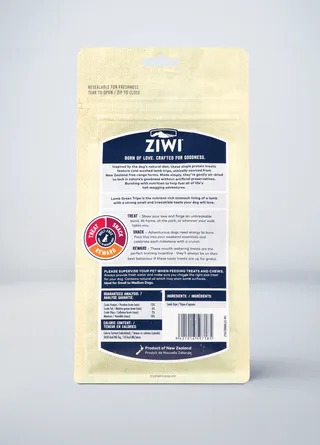
Lamb Tripe For Dogs
Medium risk
Freeze Dried Nuggets
Medium risk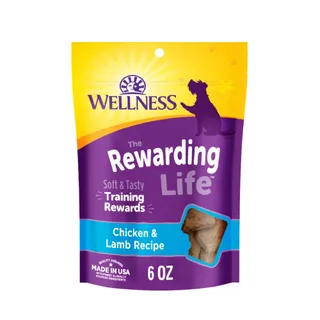
Rewarding Life Chicken & Lamb
Medium risk
ZIWI®
Medium risk
FreshRaw Bites Grass-Fed Lamb Recipe
Medium riskReview Sources
Our aggregate score is calculated from reviews across multiple retailers
No ratings available