
Hi! I'm CodyBot. I can't answer your questions yet, but I can pass them on to my owner! 🐾
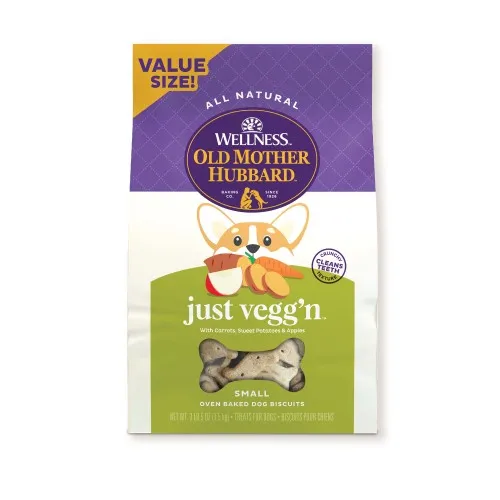
WellnessOld Mother Hubbard Classic Just Vegg'N (Carrots, Sweet Potatoes & Apples)
Allergy Risk
This food contains possible allergens for sensitive pets.
Notable Benefits
Ingredients
Numbered in order of predominance by weight, heaviest first. Click any ingredient for details.
Old Mother Hubbard Classic Just Vegg'N (Carrots, Sweet Potatoes & Apples) ingredients, explained
The recipe is built on apple, listed seventh on the label. Common dog food allergens on the label: wheat. The only omega-3 source is flaxseed, which dogs convert to the useful forms inefficiently.
What this food is made of
A whole grain used as a carbohydrate and fiber source. Oats are well digested, higher in protein than rice, and contain beta-glucan, a soluble fiber linked to steadier blood sugar. They are a common choice in sensitive-stomach and weight-control foods. Oat fiber is the hull, which is mostly insoluble fiber; oat flour and oatmeal are the whole grain milled. Grain allergy is rare in pets.
A vegetable that contributes a little fiber and beta-carotene and a lot of label appeal. In dry food it is usually present in small amounts well down the list. It is not an allergen of concern and not a meaningful protein or calorie source. Fine to see; not a reason to choose one food over another.
A root vegetable used as a carbohydrate source, especially in grain-free foods. It supplies energy, fiber and beta carotene and is well digested by dogs. There is no good evidence it beats rice or oats nutritionally, though it is a reasonable choice for pets that do poorly on grains. Like any starch, a food that lists it high is a starch-heavy food.
A fruit added for fiber, a little natural sweetness and antioxidants. Apple flesh is safe for dogs and cats. The seeds contain a trace of a cyanide-forming compound, which matters for a dog eating whole apples and is far below any concern at the amounts of pomace or dried apple in a food. Apple pomace is what remains after juicing and is mostly fiber. In either form it appears in small amounts and does not change the nutrition of the food in a meaningful way.
A plant oil, low in saturated fat, added as a source of the omega-6 fat linoleic acid with some plant omega-3 as well. It is inexpensive and stable. The plant omega-3 in canola is not converted efficiently to the forms pets use, so it does not replace fish oil. Canola is often genetically modified, which some owners prefer to avoid; there is no evidence that matters for the pet.
A plant source of omega-3 fat (alpha-linolenic acid) and fiber, used in about a third of dog foods for coat and stool quality. Dogs and cats convert plant omega-3 to the useful forms inefficiently, so fish oil does the job better. Flax is not a documented common allergen, though some pets tolerate it poorly, most often as loose stool. Fine in a food; not a reason to prefer it over one using fish oil.
A culinary herb added in tiny amounts, usually with a claim about fresh breath. Parsley does contain chlorophyll and some vitamins, but there is no evidence that the fraction of a percent in a pet food changes breath or anything else. It is safe at these levels. It appears on some toxic-plant lists because very large amounts can cause light sensitivity; the pinch in a pet food is nowhere near that.
Almost always rosemary extract, used as a natural antioxidant to keep fats fresh, usually alongside mixed tocopherols. The amounts are tiny. A persistent internet claim links rosemary to seizures in dogs; there is no published evidence for it at food levels. If your dog has epilepsy, ask your neurologist rather than avoiding foods on this basis alone.
An extract added in tiny amounts for its antioxidant compounds, and in some dental treats for breath. The caffeine content is the only real question, since caffeine is toxic to pets in quantity; the extract is usually decaffeinated or used in amounts too small to matter. There is no evidence the levels in a pet food produce any health effect. It is a marketing ingredient, safe at food levels.
Vitamins, minerals and additives (2)
The nutrient pack nearly every complete food carries. Expand to read what each one does.
Sodium and chloride, both essential, plus a palatability boost. Pets need less than people, and the minimum is set in the nutrient profiles the food is formulated to. Salt high on the list of a treat is a flavor choice; salt near the end of a complete food is nutrition. Ask your vet before choosing a low-sodium food for heart or kidney disease rather than reading labels alone.
A fat-soluble antioxidant that protects cells and the fats in the food itself. It is in nearly every complete food, both as a nutrient and, under the name mixed tocopherols, as the natural preservative that keeps fat from going rancid. Deficiency is rare in pets eating a complete diet. Nothing to worry about on a label, and a sign the maker is preserving with vitamin E rather than synthetic chemicals.
About this food
Old Mother Hubbard® Classic Just Vegg
From the manufacturer. May contain marketing language.
Pricing & Formats
Available Sizes
Not specified
Where to buy
Reader-supported: we may earn a commission when you buy through these links. How we make money
Guaranteed Analysis
Each bar shows the typical range for dog foods in our database. The marker shows where this product falls.
*Not recognized as an essential nutrient by the AAFCO Dog Food Nutrient Profiles.
Similar foods you may like
Based on shared ingredients, features, and customer preferences
Complete Health Variety Pack Chicken & Turkey Lovers
Medium risk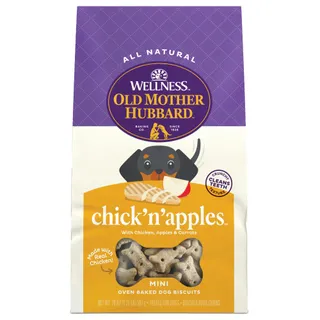
Old Mother Hubbard Classic Chick'N'Apples (Chicken & Apples)
Medium risk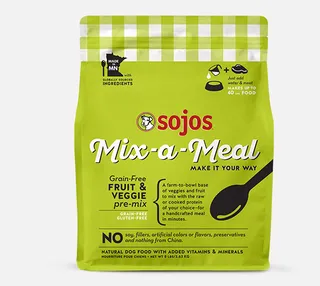
Mix-a-Meal Grain-Free Recipe Pre-Mix Dog Food
Medium risk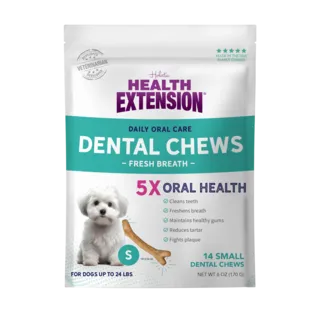
Fresh Breath Dental Bones for Dogs
Low allergen risk
BLUE Natural Veterinary Diet Dry Dog Food Kidney Support
Medium riskReview Sources
Our aggregate score is calculated from reviews across multiple retailers
No ratings available