 Made in USA

Hi! I'm CodyBot. I can't answer your questions yet, but I can pass them on to my owner! 🐾
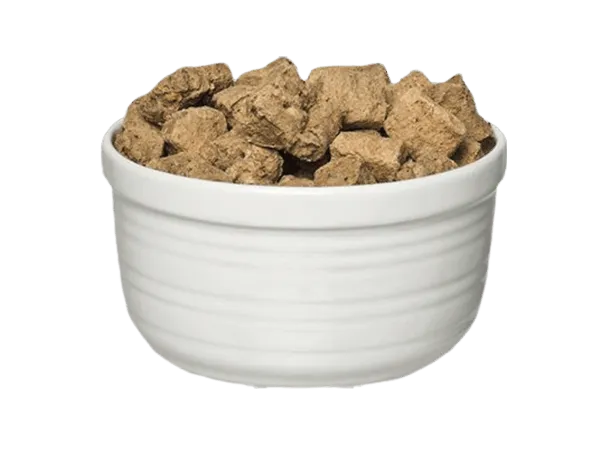
Steves Real FoodFreeze-Dried Raw Dog Food Lamu (lamb + emu)
Allergy Risk
This food contains possible allergens for sensitive pets.
Notable Benefits
Ingredients
Numbered in order of predominance by weight, heaviest first. Click any ingredient for details.
Freeze-Dried Raw Dog Food Lamu (lamb + emu) ingredients, explained
The recipe is built on emu: emu liver, ground emu and emu bone are three of the first eight ingredients. Common dog food allergens on the label: lamb and dairy. Omega-3 comes from salmon oil as well as flaxseed; the fish sources are the form dogs use directly.
What this food is made of
A red-meat protein, fattier than chicken and with a strong flavor many dogs prefer. Fresh lamb is weighed wet, so it sits higher on the list than the meal form would. Lamb was once the standard novel protein for allergy diets, and with wider use it now shows up as a reported allergen too, though still less often than beef or chicken.
Broccoli florets or stems, dried and added in small amounts for fiber, vitamins and antioxidants. It is safe for dogs and cats at food levels. Very large quantities contain compounds that can irritate the gut, which matters for a dog raiding the vegetable drawer. A fraction of a percent in kibble is nowhere near that, and it does not change the food's nutrition in any measurable way.
A vegetable that contributes a little fiber and beta-carotene and a lot of label appeal. In dry food it is usually present in small amounts well down the list. It is not an allergen of concern and not a meaningful protein or calorie source. Fine to see; not a reason to choose one food over another.
A fruit added for fiber, a little natural sweetness and antioxidants. Apple flesh is safe for dogs and cats. The seeds contain a trace of a cyanide-forming compound, which matters for a dog eating whole apples and is far below any concern at the amounts of pomace or dried apple in a food. Apple pomace is what remains after juicing and is mostly fiber. In either form it appears in small amounts and does not change the nutrition of the food in a meaningful way.
A plant source of omega-3 fat (alpha-linolenic acid) and fiber, used in about a third of dog foods for coat and stool quality. Dogs and cats convert plant omega-3 to the useful forms inefficiently, so fish oil does the job better. Flax is not a documented common allergen, though some pets tolerate it poorly, most often as loose stool. Fine in a food; not a reason to prefer it over one using fish oil.
Oil pressed from salmon, added for the omega-3 fats EPA and DHA that support skin, coat and joints. It does the same job as generic fish oil but names its source, which helps if your pet reacts to other fish. Like all fish oils it spoils easily and needs a preservative, usually mixed tocopherols. The levels used in food are a modest supplement, well below a therapeutic dose.
A plant fat high in medium-chain triglycerides, fats the body can burn quickly without the usual digestion steps. Those fats are the reason coconut oil appears in some senior and brain-support foods, where small studies of medium-chain fats in older dogs showed modest cognitive benefits; a food's coconut oil is a lower dose of the same fats. It supplies almost no essential fatty acids, so a food cannot rely on it as the only fat. It is calorie-dense and fine in the small amounts used.
Vitamins, minerals and additives (3)
The nutrient pack nearly every complete food carries. Expand to read what each one does.
A dried seaweed added as a natural source of iodine and trace minerals. Iodine is needed for thyroid function, and kelp is one of the few whole-food sources of it. The iodine content of kelp varies a great deal between harvests, so it has to be tested and dosed carefully, and the label will not tell you whether it was. Pets with thyroid disease should get the vet's view on foods that use kelp as the main iodine source.
A root added for its inulin, a fiber that gut bacteria ferment. A prebiotic feeds the beneficial bacteria in the gut, and the pet gets the benefit second-hand. Studies in dogs show modest changes in gut bacteria and stool quality at the levels used in food. It is safe, and in large amounts can loosen stools, so it appears near the bottom of the list.
An amino acid cats cannot make in sufficient quantity and must eat, or they develop heart disease and blindness. It is in every complete cat food by law of nutrition, not by choice. Dogs make their own, but it is added to many dog foods as a precaution after a federal investigation into diet-associated heart disease in dogs. Its presence on a dog food label is a good sign, not a warning.
About this food
Steve's Real Food Freeze-Dried Lamu Recipe features lamb and emu meat. This lamb dog food & cat fod is grain-free & high-protein. Complete & Balanced
From the manufacturer. May contain marketing language.
Pricing & Formats
Available Sizes
Not specified
Price History
Where to buy
Reader-supported: we may earn a commission when you buy through these links. How we make money
Guaranteed Analysis
Each bar shows the typical range for dog foods in our database. The marker shows where this product falls.
*Not recognized as an essential nutrient by the AAFCO Dog Food Nutrient Profiles.
Similar foods you may like
Based on shared ingredients, features, and customer preferences
Frozen Raw Dog Food Lamu Recipe (Lamb+Emu) Steve's Real Food
Medium risk
Air Dried Lamb Dog Food
Medium risk
Freeze-Dried Raw Dog Food Turkey Recipe
Medium risk
Air-Dried Mackerel And Lamb Dog Food
Medium risk
Freeze-Dried Raw Dog Food Pork Recipe
Medium riskReview Sources
Our aggregate score is calculated from reviews across multiple retailers
No ratings available