

Hi! I'm CodyBot. I can't answer your questions yet, but I can pass them on to my owner! 🐾
Daves Pet FoodDave's Restricted Weight Management, Turkey & Vegetables Recipe for Do
Allergy Risk
This food contains possible allergens for sensitive pets.
Notable Benefits
Ingredients
Numbered in order of predominance by weight, heaviest first. Click any ingredient for details.
Dave's Restricted Weight Management, Turkey & Vegetables Recipe for Do ingredients, explained
The recipe is built on turkey: turkey and turkey broth are the first two ingredients. Common dog food allergens on the label: chicken and whitefish. The only omega-3 source is flaxseed, which dogs convert to the useful forms inefficiently.
What this food is made of
A poultry protein, similar to chicken in nutrition and usually a little leaner. Fresh or deboned turkey is mostly water and ranks higher on the label than its dry contribution; turkey meal is the concentrated form. Turkey is often used as an alternative for pets that react to chicken, but the two are related birds and some pets react to both, so it is not a guaranteed swap.
The most common protein in pet food, and for dogs one of the most common food allergens, with beef and dairy. If chicken is what your pet reacts to, it hides everywhere: chicken fat, chicken broth, chicken meal, natural flavor. On a label, chicken listed first is weighed with its water still in, so a food leading with fresh chicken often has less chicken protein than one leading with chicken meal. Neither is better; they are different measures.
A lean, mild fish, often cod, haddock, pollock or a mix, used as a protein source. Whitefish is lower in fat and omega-3 than salmon or herring and is chosen for its gentle flavor and digestibility. The term covers several species, so it is less specific than salmon or herring for an owner tracking a fish allergy. Whitefish meal is the concentrated, dried form.
Organ meat from the named animal, or unnamed when the label just says liver. Liver is one of the most nutrient-dense foods there is, rich in vitamin A, copper, iron and the B group, and most pets love the taste, which is why it is used both as an ingredient and as a flavor coating. For allergies, the species is what matters, and beef liver is beef. Unnamed liver can come from any species and may vary by batch.
A vegetable that contributes a little fiber and beta-carotene and a lot of label appeal. In dry food it is usually present in small amounts well down the list. It is not an allergen of concern and not a meaningful protein or calorie source. Fine to see; not a reason to choose one food over another.
Rice with the bran layer left on, which keeps more fiber, B vitamins and minerals than white rice. It is well digested by most dogs and is a common carbohydrate in sensitive-stomach foods. It digests more slowly than white rice and keeps blood sugar steadier, so it turns up in weight-control foods too. For most dogs and cats it is an unremarkable energy source.
A staple of grain-free recipes, supplying starch, fiber and plant protein. Peas were common in the diets examined in a federal investigation into heart disease in dogs; the investigation did not establish a cause and no ingredient was banned. Pea protein high on a list can inflate the protein number with a plant source. Pea allergy is rare. Not a problem, but worth noticing when it appears in several forms in one recipe.
A whole grain used as a carbohydrate and fiber source. Oats are well digested, higher in protein than rice, and contain beta-glucan, a soluble fiber linked to steadier blood sugar. They are a common choice in sensitive-stomach and weight-control foods. Oat fiber is the hull, which is mostly insoluble fiber; oat flour and oatmeal are the whole grain milled. Grain allergy is rare in pets.
The familiar white potato, used as a carbohydrate source in many grain-free foods. Potato starch binds kibble; potato protein is a concentrated plant protein that lifts the protein figure on the bag. Cooked potato is safe and well digested. Grain-free foods built on potatoes and legumes were part of the FDA's 2018 to 2022 look at diet-associated heart disease in dogs, which did not establish a cause; the agency has not asked for any to be withdrawn.
A plant source of omega-3 fat (alpha-linolenic acid) and fiber, used in about a third of dog foods for coat and stool quality. Dogs and cats convert plant omega-3 to the useful forms inefficiently, so fish oil does the job better. Flax is not a documented common allergen, though some pets tolerate it poorly, most often as loose stool. Fine in a food; not a reason to prefer it over one using fish oil.
A fruit added in small amounts for antioxidants and a bit of fiber. Blueberries are safe for dogs and cats, and the pigments that color them are the same ones linked to antioxidant activity in people. In a complete food they appear well down the list in small amounts, so they are a modest extra and should not decide which bag you buy.
A small fruit added mostly for its association with urinary health. Cranberry compounds can make it harder for some bacteria to cling to the bladder wall in laboratory studies, but there is no good evidence that the amount in a pet food prevents or treats urinary infections. At label levels, a small amount well down the list, treat it as a minor fruit that adds a little fiber and antioxidants.
A plant oil added as a source of linoleic acid, the omega-6 fat dogs and cats need for skin and coat. It is cheap, stable and well tolerated. Sunflower oil contains no omega-3, so a food that uses it as the main fat will usually add fish oil or flaxseed for balance. The high-oleic variety is lower in linoleic acid and used mainly for shelf stability.
Vitamins, minerals and additives (26)
The nutrient pack nearly every complete food carries. Expand to read what each one does.
The fiber left after sugar is extracted from sugar beets. Nearly all the sugar is gone; what remains is a mix of fibers that bacteria in the gut can ferment, producing fatty acids that feed the cells lining the colon. It helps firm stools and is one of the better-studied fibers in dog food. Its reputation as a filler is undeserved, though it does add little else beyond fiber.
Purified plant fiber, usually from wood pulp, added as an insoluble fiber. It bulks stool, dilutes calories in weight-control foods and helps move hair through a cat's gut, which is why it is common in hairball formulas. It passes through undigested and supplies fiber only. The wood origin sounds alarming, but the product is the same purified cellulose used in human foods.
Sodium and chloride, both essential, plus a palatability boost. Pets need less than people, and the minimum is set in the nutrient profiles the food is formulated to. Salt high on the list of a treat is a flavor choice; salt near the end of a complete food is nutrition. Ask your vet before choosing a low-sodium food for heart or kidney disease rather than reading labels alone.
A thickener from the guar bean, used to give wet food its texture and hold gravy together. It is a soluble fiber, and in large amounts it can soften stool. Not an allergen of note. Its presence tells you about texture, not nutrition.
A thickener made by fermenting sugar with a bacterium. It gives wet foods their gravy and keeps ingredients from separating in the can or pouch. It has no nutritional role, is not digested, and is used in very small amounts. Pets on a strict elimination diet may be asked to avoid gums, which is about keeping the diet simple. The gum itself is not a hazard.
A root added for its inulin, a fiber that gut bacteria ferment. A prebiotic feeds the beneficial bacteria in the gut, and the pet gets the benefit second-hand. Studies in dogs show modest changes in gut bacteria and stool quality at the levels used in food. It is safe, and in large amounts can loosen stools, so it appears near the bottom of the list.
A zinc source. Zinc is essential for skin, coat, immunity and wound healing, and deficiency shows up first as crusty skin. Some Arctic breeds absorb it poorly and need more. Sulfate and oxide are inorganic; proteinate or chelate is bound to protein, which brands present as better absorbed. Any of them is normal. Not an allergen.
An iron source. Iron carries oxygen in the blood, and meat supplies much of it, with the mineral supplement making up the rest. Ferrous sulfate is the inorganic form; iron proteinate or chelate is the same mineral bound to a protein fragment, which brands describe as more absorbable. Either is normal. Not an allergen.
A copper source. Copper is essential in small amounts for blood, connective tissue and coat color. Some veterinary nutritionists have questioned whether modern dog foods carry more copper than dogs need, and a few breeds (Bedlington Terriers, Labradors among them) are prone to storing it in the liver. For most pets it is a routine additive. If your dog has a diagnosed liver condition, copper level is worth a vet conversation.
A manganese source. Manganese is needed in tiny amounts for bone, cartilage and enzyme function. Sulfate is the inorganic form; proteinate is the mineral bound to protein. The choice between them is a marketing distinction more than a health one for a healthy pet. Expected, safe, not an allergen.
The usual source of selenium, a mineral that works alongside vitamin E as an antioxidant. Selenium has a narrow safe range, so the amount is regulated and small. Sodium selenite is the inorganic form; some brands use selenium yeast instead, which is absorbed differently, and market it as an upgrade. The evidence that it matters for a healthy pet is thin. Expected on a complete food.
An iodine source. Iodine runs the thyroid, and pets cannot get enough without it being added. Calcium iodate and potassium iodide are the common forms and do the same job. Whether dietary iodine plays a role in the overactive thyroid common in older cats has been studied without a clear answer. A normal line on any complete food.
A potassium source and an electrolyte. Potassium keeps muscles and nerves working, including the heart, and cats lose more of it than dogs do. It also stands in for part of the salt in foods that are formulated lower in sodium. A routine additive with no allergy or safety concern at food levels.
A fat-soluble antioxidant that protects cells and the fats in the food itself. It is in nearly every complete food, both as a nutrient and, under the name mixed tocopherols, as the natural preservative that keeps fat from going rancid. Deficiency is rare in pets eating a complete diet. Nothing to worry about on a label, and a sign the maker is preserving with vitamin E rather than synthetic chemicals.
Vitamin B1, essential for nerves and energy metabolism, and the vitamin most often behind cat food recalls. It is destroyed by heat and by some preservatives, so canned foods in particular must add it back. Cats are especially sensitive to running short. Its presence is expected; its absence from a cooked food would be a red flag.
Vitamin B3. Dogs can make some from the amino acid tryptophan; cats cannot make enough and must get it from food, which is one of many reasons cat food and dog food are not interchangeable. Water-soluble and safe at food levels. Expected on every complete food label.
Vitamin B5 in its stable added form (the d- prefix just names the active version). It is needed to turn fats and carbohydrates into energy. Widely available in meats and grains, topped up to guarantee the level. Safe, expected, and irrelevant to allergies.
Essential for vision, skin and immune function. Cats cannot convert the plant form (beta-carotene) into vitamin A the way dogs can, so cat food must carry the preformed vitamin. It is fat-soluble and stored in the liver, so very high doses over time are harmful, which is why the amount is regulated. Normal on any complete food.
Vitamin B2, used to turn food into energy. Present in meat and dairy but partly lost in cooking, so manufacturers top it up. Water-soluble and safe at the levels used in food. Its presence tells you the food was formulated to a complete nutrient profile, not that anything unusual is going on.
A B vitamin tied to skin and coat quality and to fat and protein metabolism. Gut bacteria make some; food supplies the rest. Raw egg white contains a protein that binds biotin, which is the reason raw-egg diets can cause a deficiency. Safe, expected, and not an allergen.
Dogs and cats cannot make useful amounts of vitamin D from sunlight, so it has to be in the food. It governs calcium and bone health. It is also one of the few vitamins where too much is dangerous: excess vitamin D has caused pet food recalls. The amount is regulated and the presence of D3 on a label is expected. What matters is that the maker gets the dose right, which is a quality-control question, not an ingredient question.
Vitamin B9, needed for cell division and healthy blood. Standard fortification in complete foods for dogs and cats. Water-soluble, no toxicity concern at food levels. Its main relevance to a shopper is none: it is there because the recipe was balanced properly.
A B-vitamin relative added to nearly every complete food because animals need more than the base ingredients supply. It supports liver function and cell membranes. Seeing it on a label is normal and reassuring rather than a concern.
An extract of a desert plant added in tiny amounts to reduce stool and urine odor. Its compounds appear to bind ammonia in the gut, and a few small studies in dogs and cats have measured a reduction in fecal odor. It has no nutritional role and the amounts used are far below any level of concern. Its presence tells you the maker is thinking about the litter box.
A compound made from amino acids that helps cells burn fat for energy. It is found naturally in meat, and it is added to many weight-control and senior foods on the reasoning that it supports lean body mass during weight loss. The evidence in dogs is modest and the amounts used are safe. Its presence usually signals a food designed for weight management.
A heat-stable form of vitamin C. Dogs and cats make their own vitamin C, so it is not an essential nutrient for them. It is added as an antioxidant and, some argue, to support joints and immunity. Harmless at food levels and not a reason to choose or avoid a food.
About this food
Dave’s Healthy Joint Formula is the completely new, ideal food for the older or large breed dogs. Wheat and gluten free, with added vitamins A and D which may help benefit joint mobility and Linoleic Acid and Vitamin E for healthy hips and joints.
From the manufacturer. May contain marketing language.
Pricing & Formats
Available Sizes
Price History (13.2 oz, case of 12)
Where to buy (13.2 oz, case of 12)
Reader-supported: we may earn a commission when you buy through these links. How we make money
Guaranteed Analysis
Each bar shows the typical range for dog foods in our database. The marker shows where this product falls.
*Not recognized as an essential nutrient by the AAFCO Dog Food Nutrient Profiles.
Similar foods you may like
Based on shared ingredients, features, and customer preferences
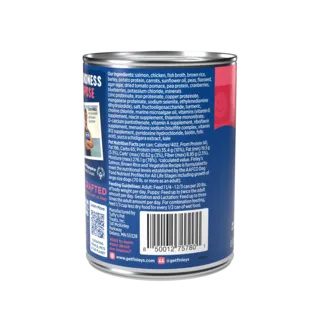
Salmon, Beef & Chicken, Brown Rice & Vegetable Wet Dog Food Variety Pa
Medium risk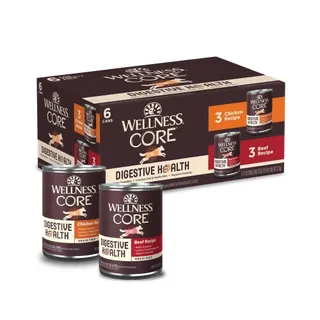
CORE Digestive Health Chicken & Beef
Medium risk
Dave's Restricted Hip & Joint Support, Chicken, Duck, & Turkey Recipe
Medium risk
Pacific Stream Canine Recipe with Salmon in Gravy
High risk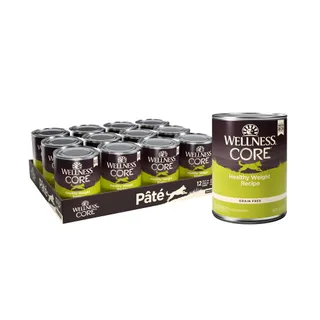
CORE Weight Management
Medium riskReview Sources
Our aggregate score is calculated from reviews across multiple retailers