

Hi! I'm CodyBot. I can't answer your questions yet, but I can pass them on to my owner! 🐾
AcanaAppalachian Ranch Recipe
Allergy Risk
This food contains possible allergens for sensitive pets.
Notable Benefits
Ingredients
Numbered in order of predominance by weight, heaviest first. Click any ingredient for details.
Appalachian Ranch Recipe ingredients, explained
The recipe is built on beef: beef and beef meal are two of the first five ingredients. Common dog food allergens on the label: beef, pork and lamb. Omega-3 comes from catfish meal and fish oil, the form dogs use directly.
What this food is made of
A red-meat protein, higher in fat and iron than poultry. Fresh or deboned beef is mostly water and ranks higher on the label than its dry contribution; beef meal is the concentrated form. Beef is among the most common food allergens reported in both dogs and cats, probably because it has been fed so widely for so long. Beef by-products such as liver and heart are listed separately.
A red-meat protein, nutritionally similar to beef and fattier than poultry. The meal form is the concentrated one; fresh pork is mostly water. Pork is less commonly reported as a pet allergen than beef, chicken or lamb, which has made it a useful alternative protein. Pork liver, plasma and fat appear under their own names.
A red-meat protein, fattier than chicken and with a strong flavor many dogs prefer. Fresh lamb is weighed wet, so it sits higher on the list than the meal form would. Lamb was once the standard novel protein for allergy diets, and with wider use it now shows up as a reported allergen too, though still less often than beef or chicken.
A small legume used for carbohydrate, fiber and plant protein in many grain-free foods. Lentils supply folate and iron, and like peas and chickpeas they add protein without adding meat. Lentils were among the legumes in the FDA's heart-disease review, which did not establish a cause. A food with lentils high on the list is a plant-protein-forward recipe.
Organ meat from the named animal, or unnamed when the label just says liver. Liver is one of the most nutrient-dense foods there is, rich in vitamin A, copper, iron and the B group, and most pets love the taste, which is why it is used both as an ingredient and as a flavor coating. For allergies, the species is what matters, and beef liver is beef. Unnamed liver can come from any species and may vary by batch.
A legume used as a carbohydrate and plant protein, common in grain-free foods. Chickpeas supply fiber, folate and protein that lifts the number on the bag without adding meat. Legume-heavy grain-free foods were part of the FDA's 2018 to 2022 look at diet-associated heart disease in dogs, which did not establish a cause. A food that lists chickpeas or peas in the first few ingredients is leaning on plant protein.
A staple of grain-free recipes, supplying starch, fiber and plant protein. Peas were common in the diets examined in a federal investigation into heart disease in dogs; the investigation did not establish a cause and no ingredient was banned. Pea protein high on a list can inflate the protein number with a plant source. Pea allergy is rare. Not a problem, but worth noticing when it appears in several forms in one recipe.
Oil pressed from whole fish, usually menhaden, herring or sardine, added as the source of the omega-3 fats EPA and DHA. Those fats support skin, coat, joints and brain development, and a food that names fish oil is delivering them in the form pets use directly. It goes rancid quickly, so look for a preservative named alongside it, usually mixed tocopherols. The species is rarely stated, which matters only if your pet reacts to fish.
A vegetable used mainly as a source of soluble fiber for stool quality, and for label appeal. Amounts in a complete food are small. Not an allergen of concern and not a meaningful protein or calorie source.
A fruit added for fiber, a little natural sweetness and antioxidants. Apple flesh is safe for dogs and cats. The seeds contain a trace of a cyanide-forming compound, which matters for a dog eating whole apples and is far below any concern at the amounts of pomace or dried apple in a food. Apple pomace is what remains after juicing and is mostly fiber. In either form it appears in small amounts and does not change the nutrition of the food in a meaningful way.
A spice added for color and for its curcumin, a compound studied for anti-inflammatory effects. In people and lab animals curcumin is poorly absorbed unless paired with black pepper or fat, and the amounts in a pet food are far below those used in supplement studies. It is safe and gives kibble a warm color, which is most of what it is doing here; the joint and anti-inflammatory claims rest on doses far higher than a food provides.
Almost always rosemary extract, used as a natural antioxidant to keep fats fresh, usually alongside mixed tocopherols. The amounts are tiny. A persistent internet claim links rosemary to seizures in dogs; there is no published evidence for it at food levels. If your dog has epilepsy, ask your neurologist rather than avoiding foods on this basis alone.
Vitamins, minerals and additives (14)
The nutrient pack nearly every complete food carries. Expand to read what each one does.
Sodium and chloride, both essential, plus a palatability boost. Pets need less than people, and the minimum is set in the nutrient profiles the food is formulated to. Salt high on the list of a treat is a flavor choice; salt near the end of a complete food is nutrition. Ask your vet before choosing a low-sodium food for heart or kidney disease rather than reading labels alone.
A dried seaweed added as a natural source of iodine and trace minerals. Iodine is needed for thyroid function, and kelp is one of the few whole-food sources of it. The iodine content of kelp varies a great deal between harvests, so it has to be tested and dosed carefully, and the label will not tell you whether it was. Pets with thyroid disease should get the vet's view on foods that use kelp as the main iodine source.
A zinc source. Zinc is essential for skin, coat, immunity and wound healing, and deficiency shows up first as crusty skin. Some Arctic breeds absorb it poorly and need more. Sulfate and oxide are inorganic; proteinate or chelate is bound to protein, which brands present as better absorbed. Any of them is normal. Not an allergen.
A fat-soluble antioxidant that protects cells and the fats in the food itself. It is in nearly every complete food, both as a nutrient and, under the name mixed tocopherols, as the natural preservative that keeps fat from going rancid. Deficiency is rare in pets eating a complete diet. Nothing to worry about on a label, and a sign the maker is preserving with vitamin E rather than synthetic chemicals.
An amino acid cats cannot make in sufficient quantity and must eat, or they develop heart disease and blindness. It is in every complete cat food by law of nutrition, not by choice. Dogs make their own, but it is added to many dog foods as a precaution after a federal investigation into diet-associated heart disease in dogs. Its presence on a dog food label is a good sign, not a warning.
Essential for vision, skin and immune function. Cats cannot convert the plant form (beta-carotene) into vitamin A the way dogs can, so cat food must carry the preformed vitamin. It is fat-soluble and stored in the liver, so very high doses over time are harmful, which is why the amount is regulated. Normal on any complete food.
Dogs and cats cannot make useful amounts of vitamin D from sunlight, so it has to be in the food. It governs calcium and bone health. It is also one of the few vitamins where too much is dangerous: excess vitamin D has caused pet food recalls. The amount is regulated and the presence of D3 on a label is expected. What matters is that the maker gets the dose right, which is a quality-control question, not an ingredient question.
Vitamin B1, essential for nerves and energy metabolism, and the vitamin most often behind cat food recalls. It is destroyed by heat and by some preservatives, so canned foods in particular must add it back. Cats are especially sensitive to running short. Its presence is expected; its absence from a cooked food would be a red flag.
Vitamin B5 in its stable added form (the d- prefix just names the active version). It is needed to turn fats and carbohydrates into energy. Widely available in meats and grains, topped up to guarantee the level. Safe, expected, and irrelevant to allergies.
Vitamin B6 in its stable, added form. It is central to protein metabolism, and cats need proportionally more of it than dogs because their diet runs so high in protein. Water-soluble and safe at food levels. A normal line on any complete food.
A copper source. Copper is essential in small amounts for blood, connective tissue and coat color. Some veterinary nutritionists have questioned whether modern dog foods carry more copper than dogs need, and a few breeds (Bedlington Terriers, Labradors among them) are prone to storing it in the liver. For most pets it is a routine additive. If your dog has a diagnosed liver condition, copper level is worth a vet conversation.
A root added for its inulin, a fiber that gut bacteria ferment. A prebiotic feeds the beneficial bacteria in the gut, and the pet gets the benefit second-hand. Studies in dogs show modest changes in gut bacteria and stool quality at the levels used in food. It is safe, and in large amounts can loosen stools, so it appears near the bottom of the list.
A natural acid, the same one found in citrus, used alongside mixed tocopherols to slow fat from going rancid. It works by binding the trace metals that speed up oxidation. The amounts are tiny and it is one of the most benign preservatives available. A persistent claim links citric acid to bloat in dogs; it rests on one observational study with no mechanism behind it, and most veterinary nutritionists do not consider it supported.
Live bacteria added to support digestion, listed by strain name such as Lactobacillus acidophilus or Bacillus coagulans. The difficulty is that most are killed by the heat of cooking and by months on a shelf, so unless the maker coats the kibble after cooking and states a live count on the bag, the listing does not tell you much. Bacillus strains form spores and survive processing better than the others. The strains used are considered safe.
About this food
ACANA® Highest Protein Appalachian Ranch Recipe is crafted with 70% quality animal ingredients like ranch-raised beef, Yorkshire pork, grass-fed lamb, catfish and bison, and 30% fruits, vegetables, and botanicals, many delivered daily. Artificial colors, flavors or preservatives are never added in our kitchen.
From the manufacturer. May contain marketing language.
Pricing & Formats
Available Sizes
Not specified
Price History
Where to buy
Reader-supported: we may earn a commission when you buy through these links. How we make money
Guaranteed Analysis
Each bar shows the typical range for dog foods in our database. The marker shows where this product falls.
*Not recognized as an essential nutrient by the AAFCO Dog Food Nutrient Profiles.
Similar foods you may like
Based on shared ingredients, features, and customer preferences

Red Meat Recipe Dry Dog Food for Healthy Dogs
Medium risk
Regional Red™ Dog & Cat Food
Medium risk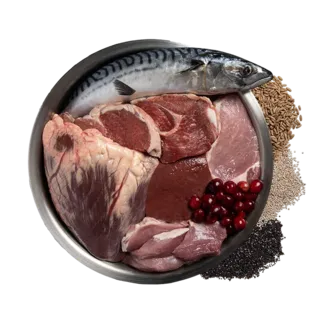
Amazing Grains™, Regional Red Dog & Cat Food
High risk
Wholesome Grains, Red Meat & Grains Recipe
Medium risk
Grasslands Dog
Medium riskReview Sources
Our aggregate score is calculated from reviews across multiple retailers